
Best Markets & Souks in Fujairah You Must Visit in 2026
Last updated on January 3rd, 2026
Table of Contents
Fujairah may be best known for its beaches, mountains, and relaxed coastal atmosphere, but it also has several vibrant traditional markets and souks where visitors can shop like locals. These markets are ideal for fresh produce, handicrafts, spices, souvenirs, and experiencing Emirati heritage. Below are the best markets and souks in Fujairah to explore.
Best Markets and Souks in Fujairah
1. Souq Al Juma (Friday Market / Masafi Market)
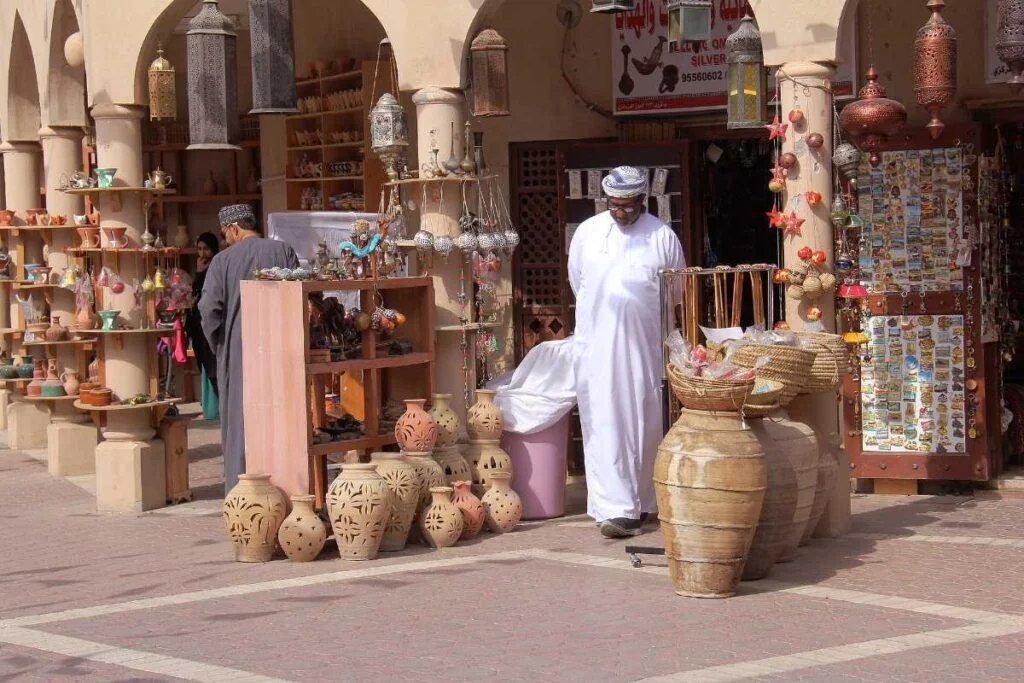
Souq Al Juma, commonly known as the Friday Market or Masafi Market, is an open-air bazaar located near the village of Masafi along the Hajar Mountains. It is famous for selling fresh fruits and vegetables, pottery, carpets, rugs, antiques, plants, souvenirs, and household items.
Despite its name, the market operates daily and remains one of the most popular traditional shopping destinations on the UAE’s east coast.
2. Central Souq Fujairah
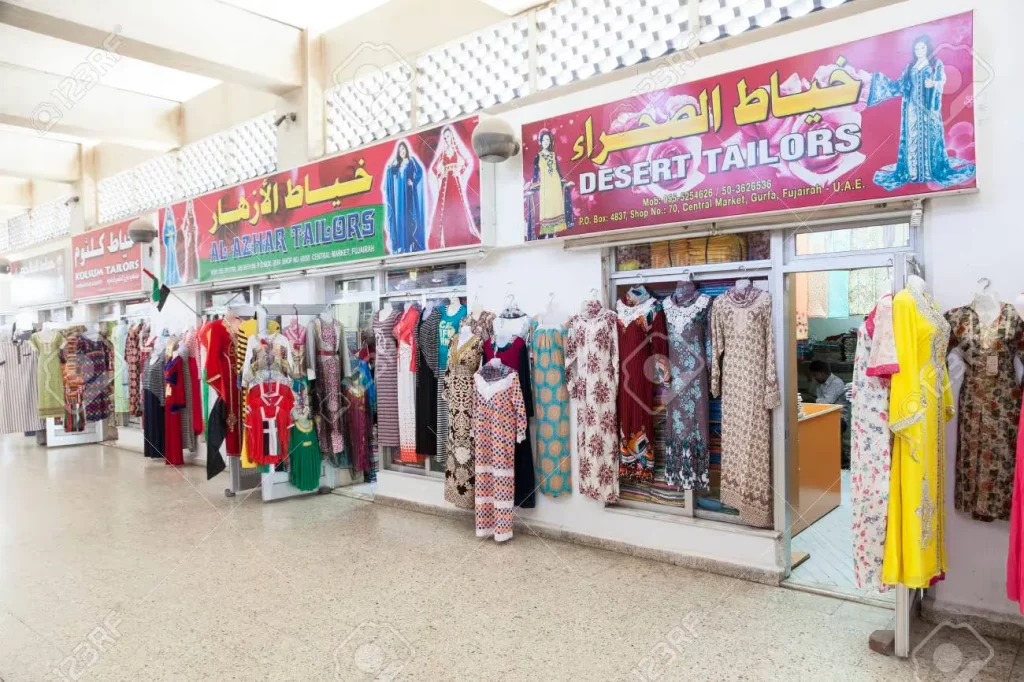
Central Souq Fujairah is a long-established local market near the city’s coastal area. Shoppers can find carpets and rugs, household goods, pottery, garden plants, pet supplies, and occasional antiques. The open-store layout and relaxed atmosphere make it a favourite among residents.
3. Fujairah Fish Market
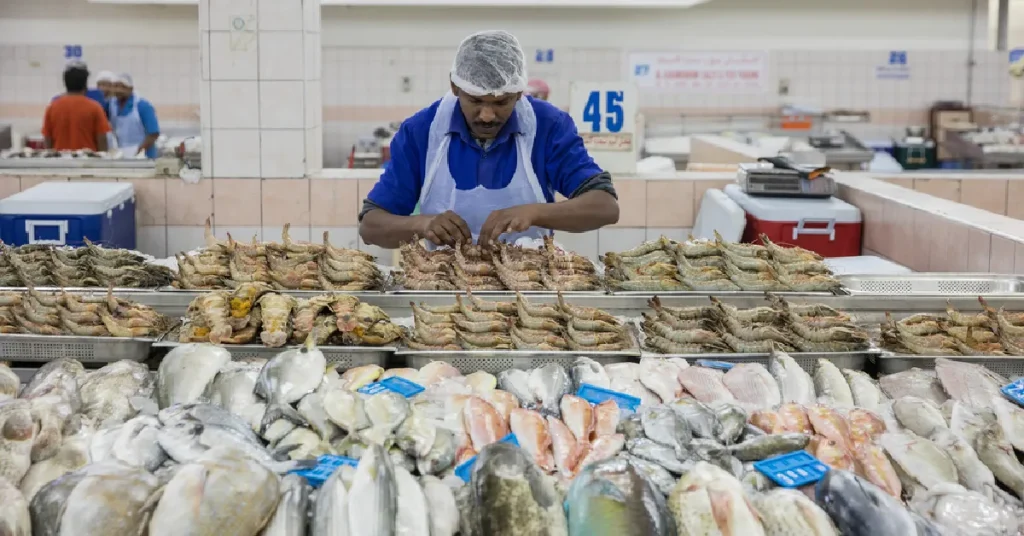
Fujairah Fish Market offers a lively and authentic local experience. Fresh seafood is brought in daily by fishermen, and visitors can buy a wide variety of fish and shellfish. It is especially popular in the early morning hours and reflects everyday coastal life in Fujairah.
4. Dibba Market
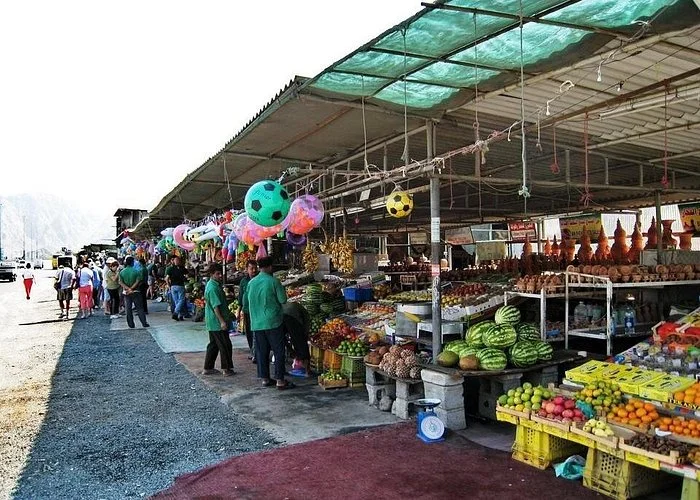
Dibba Market is a convenient local stop for travellers heading along the east coast or visiting Dibba. It offers fresh produce, dates, honey, carpets, souvenirs, and local crafts, making it a good place for quick shopping and gift purchases near the coast.
What to Buy and Where – Quick Guide
- Fresh produce, fruits, vegetables, herbs: Souq Al Juma (Masafi Market), Central Souq Fujairah
- Handicrafts, pottery, carpets, rugs: Souq Al Juma, Central Souq Fujairah, Dibba Market
- Fresh seafood: Fujairah Fish Market
- Souvenirs and local gifts: Souq Al Juma, Dibba Market, Central Souq Fujairah
Tips for Visiting Fujairah Markets
- Visit early or late: Morning or late afternoon is best for fresh produce, seafood, and comfortable browsing.
- Carry cash: Many traditional market vendors prefer cash payments.
- Bargaining is common: Prices for rugs, pottery, antiques, and souvenirs are often negotiable.
- Combine with sightseeing: Several markets are near beaches, mountains, and scenic routes, making them easy to combine with day trips.
Frequently Asked Questions (FAQs)
Which is the most famous market in Fujairah?
Souq Al Juma, also known as the Friday Market or Masafi Market, is the most famous and widely visited traditional market in Fujairah.
Is Fujairah good for seafood shopping?
Yes. Fujairah Fish Market is well known for its fresh seafood brought in daily by local fishermen.
Can I buy rugs, pottery, and antiques in Fujairah markets?
Yes. Souq Al Juma, Central Souq Fujairah, and Dibba Market offer carpets, rugs, pottery, decorative items, and handmade goods.
Are Fujairah markets tourist-friendly?
Yes. While many markets are frequented by locals, places such as Souq Al Juma and Dibba Market are visitor-friendly and popular with tourists looking for authentic shopping experiences.
