
Dubai Airport Disruptions: The Economic Impact and How Much the UAE Could Lose
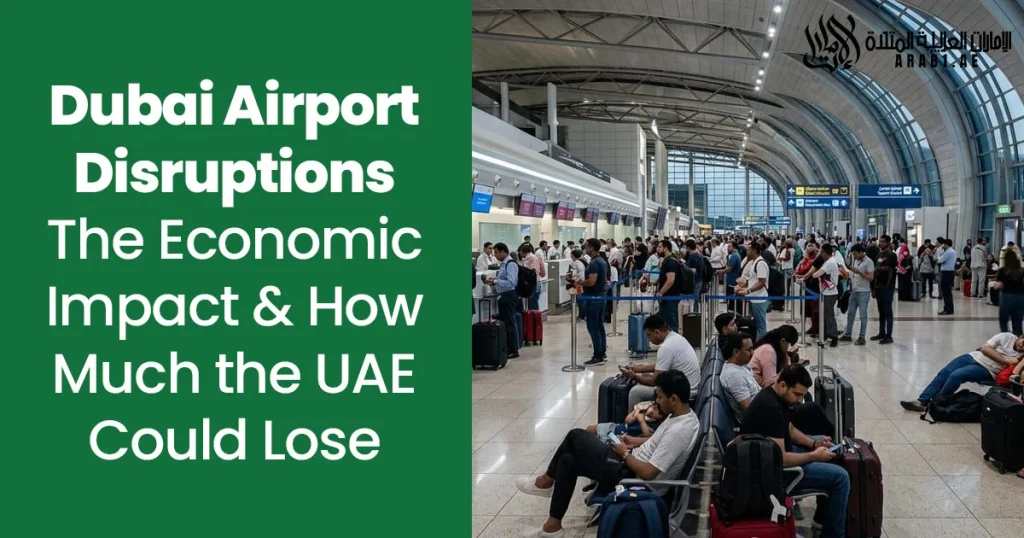
Dubai International Airport (DXB) is one of the most important aviation hubs in the world. Any disruption to flights or airspace can have a ripple effect far beyond the airport itself, affecting tourism, global trade, airlines, and the wider economy of the United Arab Emirates.
Table of Contents
Recent aviation disruptions in the region have raised questions about how much economic activity depends on Dubai’s airports and what financial impact a slowdown in air travel could create.
Earlier reports of flight cancellations and operational disruptions have already affected airline schedules. You can read the full update here: Emirates Flight Chaos and Dubai Airport Cancellations.
Also Read: Stranded in UAE? How to Exit the Country Through Oman by Road
Why Dubai Airport Is Critical to the UAE Economy
Dubai International Airport consistently ranks among the busiest airports in the world for international passengers. The airport serves as the primary hub for Emirates Airline and connects travelers across Europe, Asia, Africa, and the Americas.
The aviation sector is deeply integrated into Dubai’s economic model. Aviation activities contribute roughly 27% of Dubai’s total GDP and generate about AED 137 billion ($37 billion) annually for the emirate’s economy.
Beyond direct revenue, the sector supports more than 630,000 jobs across aviation, tourism, logistics, hospitality, and related industries.
How Much Economic Activity Passes Through Dubai Airport Daily
Dubai International Airport handles an enormous volume of global traffic every day. On average, the airport processes approximately 260,000 to 270,000 passengers daily, along with thousands of tons of international cargo shipments.
This constant flow of travelers supports a wide ecosystem including hotels, restaurants, shopping malls, taxis, tour operators, and retail outlets.
Because of this scale, even short disruptions to airport operations can impact millions of dollars in economic activity.
How Much the UAE Could Lose During Aviation Disruptions
While exact loss figures depend on the duration of disruptions, aviation analysts note that major international airports generate significant economic value every hour through airline operations, passenger spending, airport fees, and cargo logistics.
When flights are cancelled or delayed, financial losses can come from several areas:
- Airline ticket refunds and operational costs
- Airport landing fees and passenger service charges
- Tourism spending reductions
- Cargo and logistics delays
- Hotel and hospitality cancellations
Because Dubai serves as a global transit hub, the economic impact is not limited to the UAE. Disruptions can also affect international travel routes and supply chains connecting Europe, Asia, and Africa.
Industries That Depend on Dubai Airport
Tourism and Hospitality
Tourism is one of Dubai’s largest industries. Hotels, resorts, tour operators, and entertainment venues rely heavily on international visitors arriving through Dubai’s airports.
Airlines
Dubai is home to Emirates Airline and flydubai, both of which operate extensive international networks. Flight disruptions can affect airline schedules globally.
Cargo and Global Trade
Dubai is a major cargo hub. Air freight passing through the emirate includes electronics, luxury goods, pharmaceuticals, and precious metals.
For example, Dubai handles a large share of the global gold trade, much of which relies on fast international air transport.
Retail and Airport Economy
Dubai Duty Free, airport retail outlets, and airport services generate billions in annual revenue from travelers passing through the airport.
Global Ripple Effects of Dubai Flight Disruptions
Dubai’s geographic position between East and West makes it one of the most strategic aviation hubs globally. Flights from Europe to Asia, Africa to North America, and many long-haul routes use Dubai as a transit stop.
When disruptions occur, the effects can spread across global airline networks as aircraft, crews, and passengers are repositioned.
What Happens If Airspace Disruptions Continue
If regional airspace restrictions or operational disruptions continue for extended periods, airlines may need to reroute flights, adjust schedules, or temporarily suspend certain routes.
However, aviation systems are designed to recover quickly, and airports such as Dubai typically restore operations rapidly once conditions stabilize.
Conclusion
Dubai International Airport is far more than just a travel hub. It is a central pillar of the UAE’s economy and a key gateway connecting global markets.
Even short disruptions highlight how interconnected aviation is with tourism, trade, and business across the region. As airlines gradually restore schedules, the focus will remain on maintaining Dubai’s role as one of the world’s leading aviation centers.
Frequently Asked Questions
How important is Dubai International Airport to the UAE economy?
Dubai International Airport is one of the world’s busiest international airports and plays a central role in tourism, aviation, and trade within the UAE economy.
How many passengers pass through Dubai airport each day?
On average, Dubai International Airport handles around 260,000 to 270,000 passengers per day.
Does aviation contribute significantly to Dubai’s GDP?
Yes. Aviation contributes approximately 27% of Dubai’s GDP and supports hundreds of thousands of jobs across multiple industries.
What industries depend on Dubai airport?
Tourism, airlines, cargo logistics, retail, hospitality, and global trade all depend heavily on Dubai’s aviation network.
