
Etihad Rail UAE: Route, Coverage, GCC Countries & Passenger Train Updates
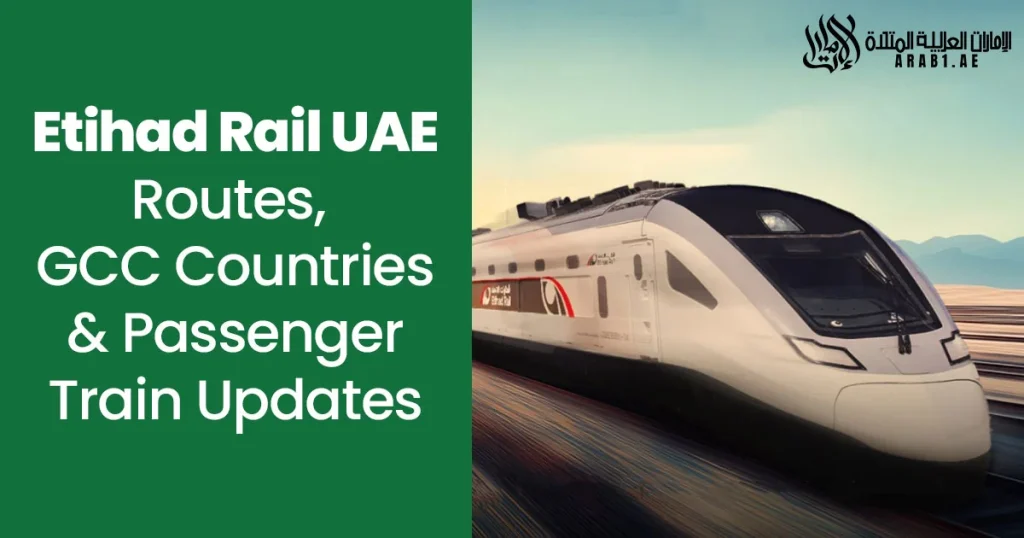
Etihad Rail is the United Arab Emirates’ national railway network and one of the most significant long-term infrastructure projects in the country. It is designed to connect cities, ports, industrial zones, and international borders through a modern rail system that supports freight transport and planned passenger travel. Etihad Rail is expected to transform long-distance travel and freight movement across the UAE once passenger services begin.
Table of Contents
This guide explains what Etihad Rail is, where it starts and ends, which emirates and countries it connects, the current project status, and the latest updates on passenger train services.
Update: Etihad Rail’s passenger train services are planned to launch in 2026, with stations becoming operational in phases.
What Is Etihad Rail?
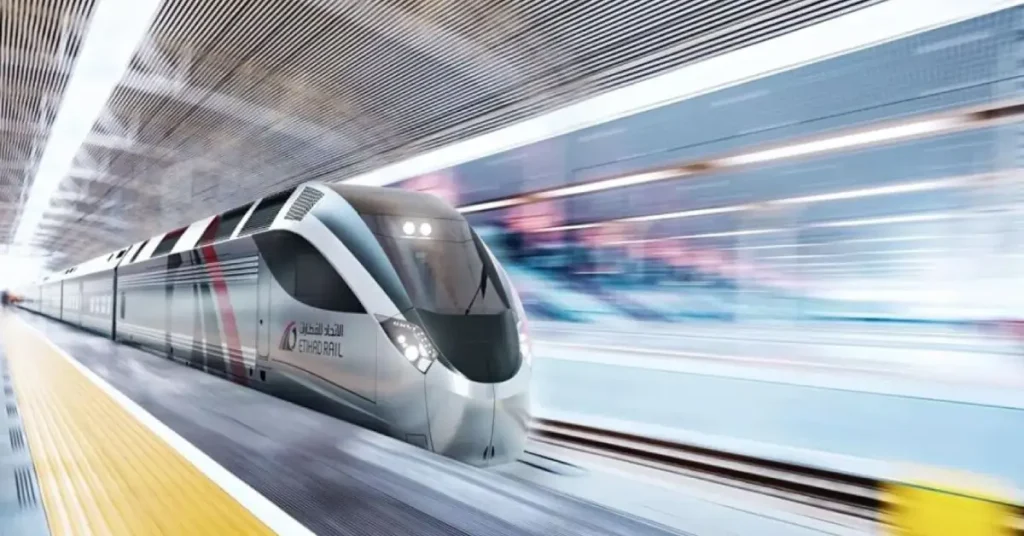
Etihad Rail is the official railway developer and operator of the UAE. The project plays a key role in strengthening national connectivity, supporting economic growth, and promoting sustainable transport as part of the UAE’s long-term development strategy.
The railway has been developed in phases, with freight operations launched first. Passenger train services represent the next major phase of the project.
Etihad Rail and the UAE Transport Vision
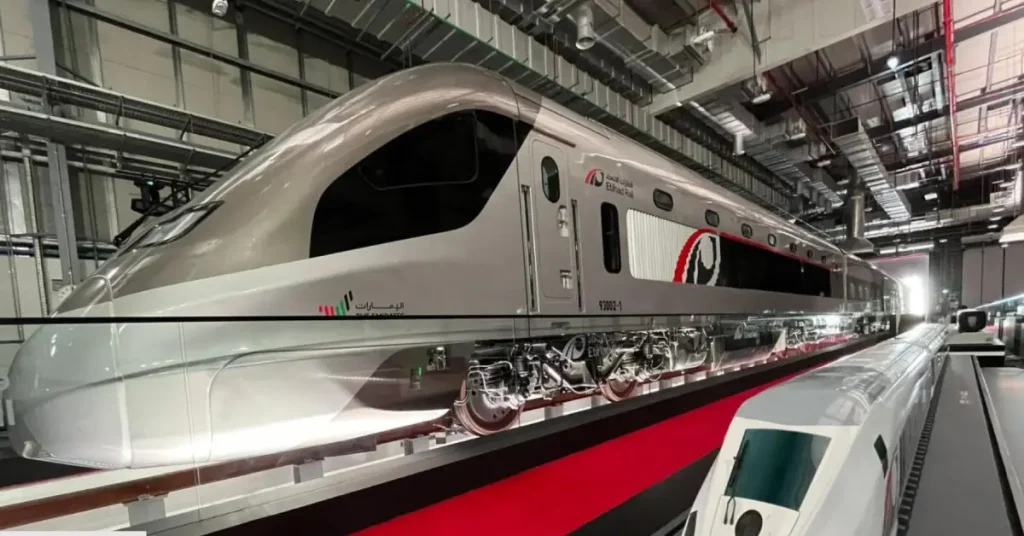
Etihad Rail forms a core component of the broader transport and infrastructure vision of the United Arab Emirates, improving inter-emirate connectivity and supporting long-term regional integration.
Where Does Etihad Rail Start and End?
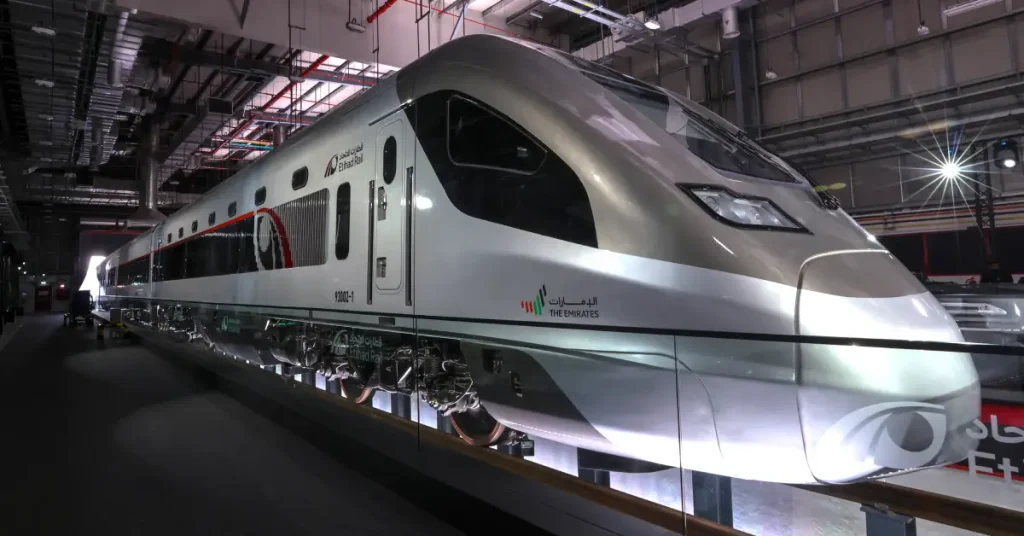
The Etihad Rail network spans the UAE from west to east, creating a national rail backbone:
- Western start point: Al Ghuwaifat, near the Saudi Arabia border
- Eastern end point: Fujairah Port on the east coast
This alignment enables efficient connectivity between borders, ports, industrial zones, and major population centres across the country.
Which Emirates Will Etihad Rail Cover?
Etihad Rail is designed to connect all seven emirates of the UAE:
In addition to urban areas, the network links ports, logistics hubs, and major industrial zones across the UAE.
Is Etihad Rail Part of the GCC Railway?

Yes. Etihad Rail represents the UAE’s section of the wider Gulf Cooperation Council (GCC) railway network, a long-term regional initiative aimed at linking all six GCC countries:
- United Arab Emirates
- Saudi Arabia
- Kuwait
- Qatar
- Bahrain
- Oman
Each GCC country is responsible for developing its own national railway infrastructure, which will later integrate into a unified regional rail network.
Connection to Saudi Arabia
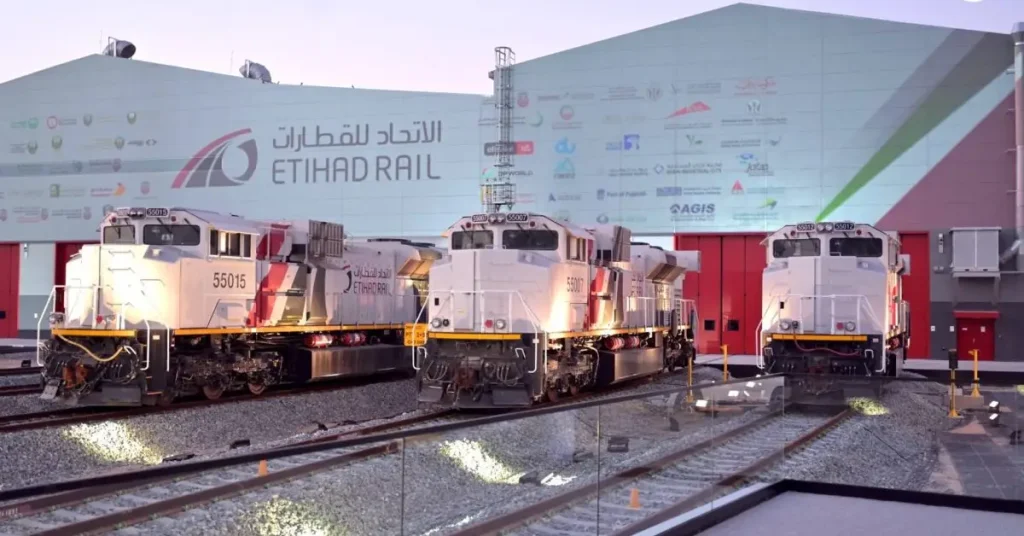
Saudi Arabia is the first country physically connected to the UAE’s rail network. Stage Two of Etihad Rail extends to Al Ghuwaifat, a key border crossing between the UAE and Saudi Arabia.
This connection provides the physical foundation for future cross-border freight and passenger rail services, subject to phased regional integration and regulatory approvals.
Etihad Rail and the Saudi Railway Company (SAR) have announced cooperation initiatives focused on knowledge sharing, technical coordination, and future interoperability.
Current Status of Etihad Rail
Is Etihad Rail Completed?
The core national freight rail network has been completed and is operational. Development continues for passenger stations, systems, and service readiness.
Is Etihad Rail Open for Passengers?
No. Etihad Rail is not yet open for passenger travel. Freight operations are currently active, while passenger services are planned to launch in 2026, subject to final readiness and approvals.
What Is the Route of Etihad Rail?
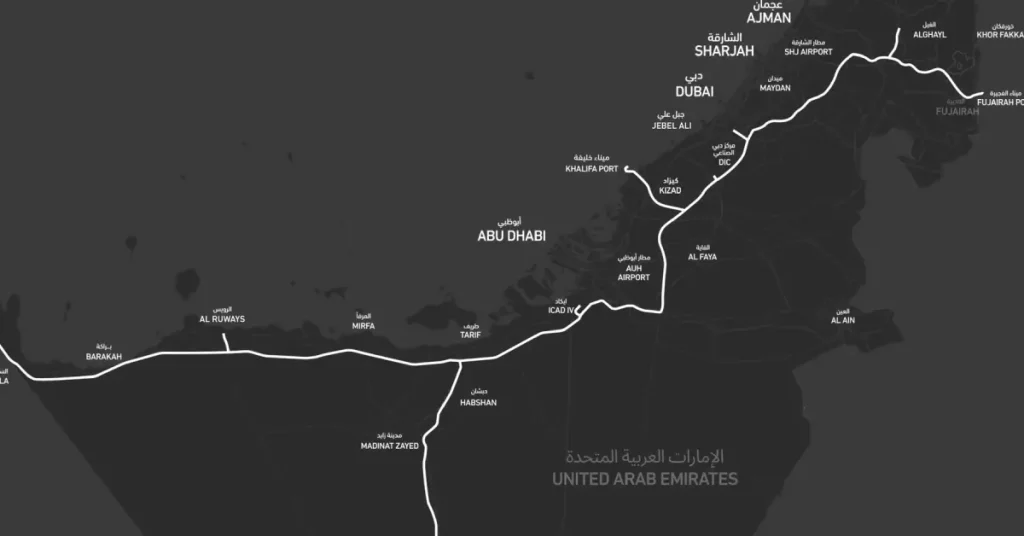
The Etihad Rail route runs from Al Ghuwaifat near the Saudi border to Fujairah Port, connecting major cities, ports, and industrial zones across the UAE.
Where Will Etihad Rail Stations Be?
Etihad Rail has announced a planned passenger network with stations across the UAE. Passenger stations are expected to become operational in phases.
- Abu Dhabi
- Dubai
- Sharjah
- Fujairah
- Al Sila’
- Al Dhannah
- Al Mirfa
- Madinat Zayed
- Mezaira’a
- Al Faya
- Al Dhaid
Final station access details, facilities, and passenger service schedules are expected to be confirmed closer to launch.
Will Etihad Rail Connect Other Countries?
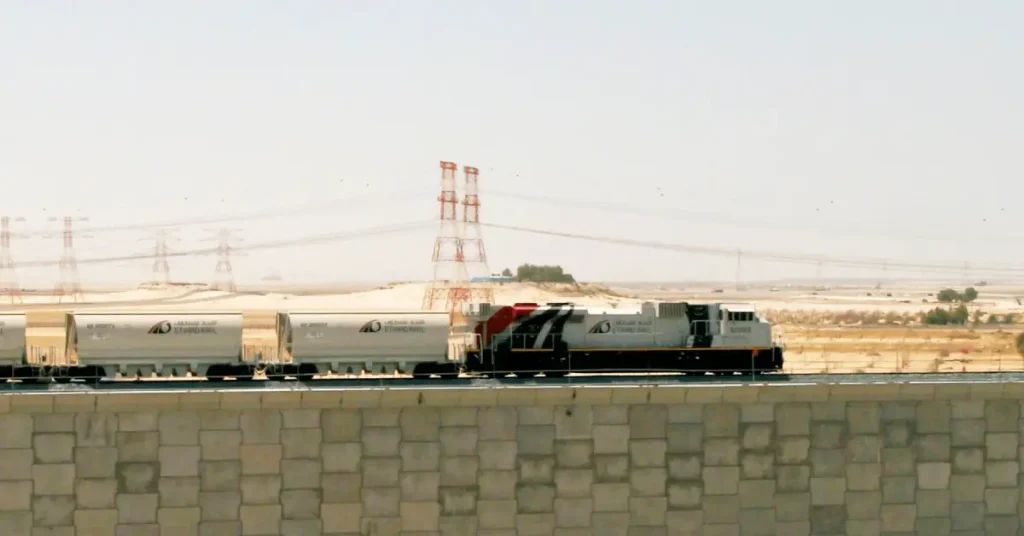
Yes. As part of the GCC railway framework, Etihad Rail is designed to support future international connectivity. Cross-border passenger and freight services will be introduced in phases as regional rail links and regulations are finalised.
Benefits of Etihad Rail
Economic Growth

Etihad Rail supports economic growth by improving logistics efficiency, strengthening trade corridors, and enhancing regional integration.
Sustainability
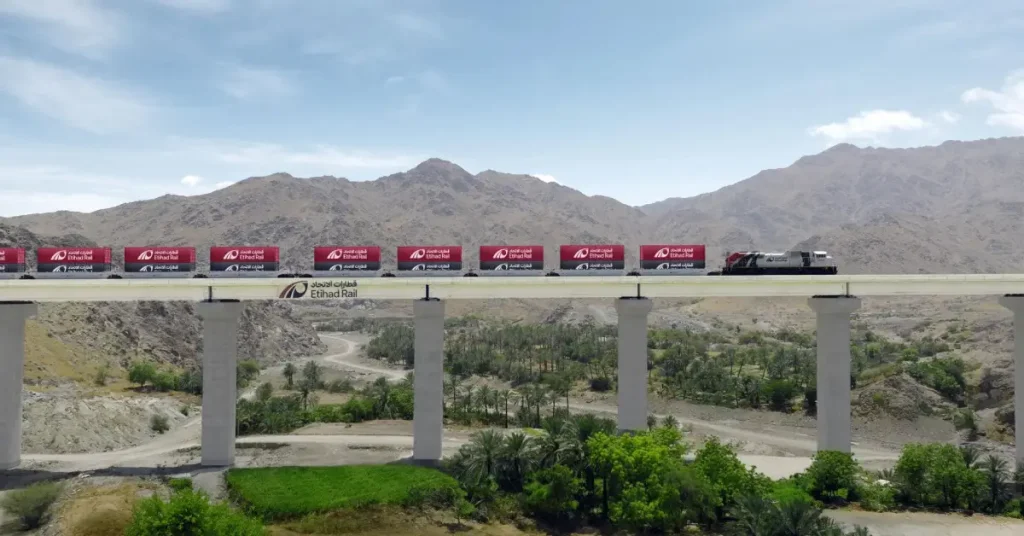
The rail network contributes to environmental sustainability by reducing road congestion and lowering transport-related carbon emissions.
Logistics and Connectivity
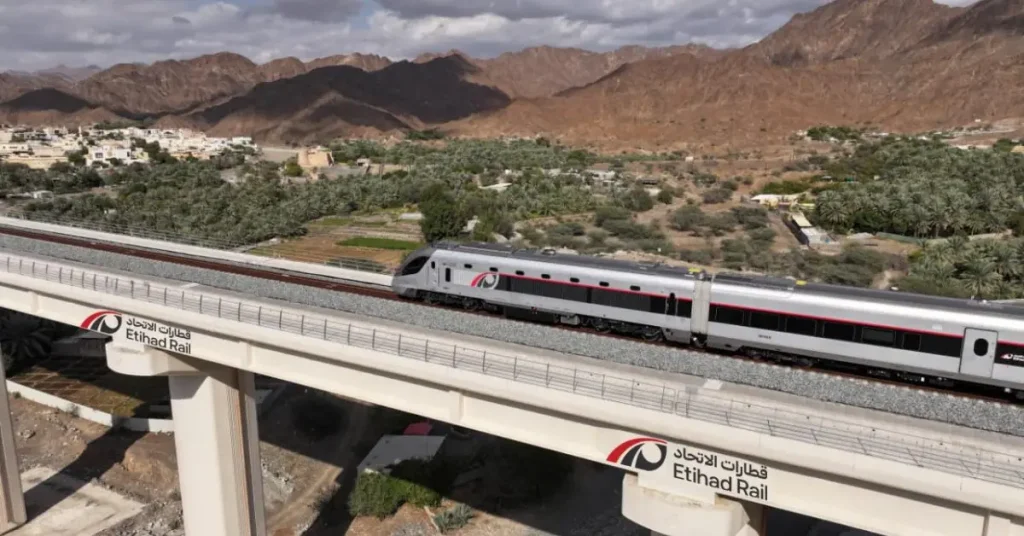
By linking ports, industrial zones, and borders, Etihad Rail enhances supply chain resilience and national connectivity.
Will Etihad Rail Affect Rents in Abu Dhabi?
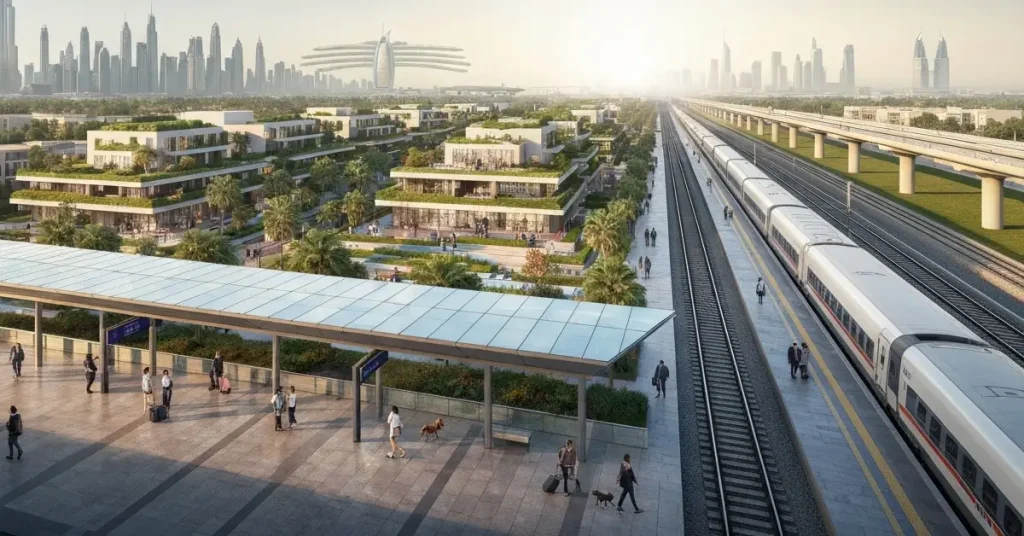
Large transport infrastructure projects can influence real estate demand over time. Improved connectivity may increase interest in areas near future stations, though rental impacts will depend on station locations and broader market conditions.
Final Overview
Etihad Rail is a strategic national and regional transport system designed to connect the UAE internally and link it with neighbouring GCC countries.
With a fully operational freight network and passenger services targeted for 2026, Etihad Rail represents a major milestone in the UAE’s transport and infrastructure development.
