
UAE Royal Family: Kings, Queens, Princes, and the Legacy of Leadership

Last updated on February 20th, 2026
Table of Contents
The United Arab Emirates is a federation of seven emirates, each ruled by its own royal family. This FAQ answers common questions about rulers, royal houses, wealth, roles, achievements, and the future of leadership in the UAE.
Is there a King or Queen of the UAE?
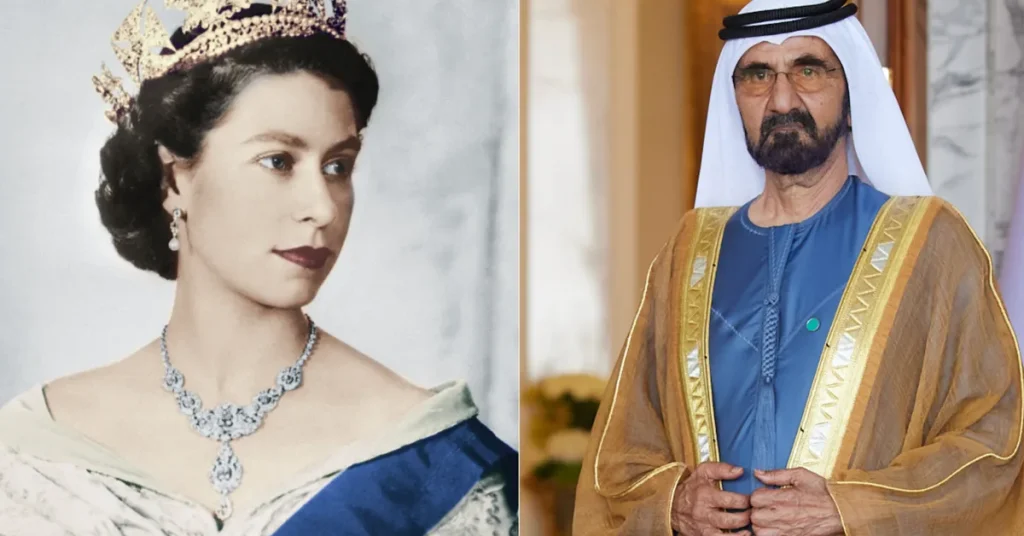
No. The UAE is a federation of seven emirates, each with its own ruler (Sheikh). By convention, the Ruler of Abu Dhabi serves as President of the UAE, and the Ruler of Dubai serves as Vice President and Prime Minister.UAE National Leadership Structure
| Title | Traditional Holder | Role |
|---|---|---|
| President of the UAE | Ruler of Abu Dhabi | Head of State; Commander-in-Chief |
| Vice President & Prime Minister | Ruler of Dubai | Head of Government; leads Federal Cabinet |
| Federal Supreme Council | All 7 Rulers | Highest constitutional authority |
| Crown Princes | Appointed heirs | Succession; leadership-in-training |
How many royal families are there in the UAE?
There are seven emirates, but six royal families because Sharjah and Ras Al Khaimah are ruled by different branches of the Al Qasimi dynasty. Royal Families of the Seven Emirates
| Emirate | Ruling Family | Current Ruler (2026) | Rule Since* | Lineage / Tribal Origin |
|---|---|---|---|---|
| Abu Dhabi | Al Nahyan | Sheikh Mohamed bin Zayed Al Nahyan | c. 1793 | Bani Yas (Al Falahi branch) |
| Dubai | Al Maktoum | Sheikh Mohammed bin Rashid Al Maktoum | 1833 | Bani Yas (Al Bu Falasah branch) |
| Sharjah | Al Qasimi | Sheikh Sultan bin Muhammad Al Qasimi | 1972 (current reign) | Qawasim |
| Ras Al Khaimah | Al Qasimi | Sheikh Saud bin Saqr Al Qasimi | 2010 (current reign) | Qawasim |
| Ajman | Al Nuaimi | Sheikh Humaid bin Rashid Al Nuaimi | 1981 (current reign) | Na’im |
| Fujairah | Al Sharqi | Sheikh Hamad bin Mohammed Al Sharqi | 1974 (current reign) | Sharqiyin |
| Umm Al Quwain | Al Mualla | Sheikh Saud bin Rashid Al Mualla | 2009 (current reign) | Al Ali |
* “Rule since” indicates dynastic origin or the current ruler’s start date, as applicable.
Who is the current UAE President?
The current President is Sheikh Mohamed bin Zayed Al Nahyan (MBZ), Ruler of Abu Dhabi since 2022. His son, Sheikh Khaled bin Mohamed Al Nahyan, is the Crown Prince of Abu Dhabi.Presidents of the UAE
| Name | Emirate | Term | Highlights |
|---|---|---|---|
| Sheikh Zayed bin Sultan Al Nahyan | Abu Dhabi | 1971-2004 | Diplomacy, sustainability; technology and security |
| Sheikh Khalifa bin Zayed Al Nahyan | Abu Dhabi | 2004-2022 | Federal expansion; infrastructure and development |
| Sheikh Mohamed bin Zayed Al Nahyan | Abu Dhabi | 2022-Present | Diplomacy, sustainability, technology and security |
What role does Dubai’s ruler play?

Sheikh Mohammed bin Rashid Al Maktoum serves as Vice President and Prime Minister of the UAE and Ruler of Dubai. He led Dubai’s rise as a global hub in aviation, trade, tourism, and real estate, including Emirates Airline, Burj Khalifa, and Expo 2020 Dubai. The Crown Prince of Dubai is Sheikh Hamdan bin Mohammed Al Maktoum (Fazza).
Which royal families are the most influential?
All six families are significant. Nationally and globally, the Al Nahyan (Abu Dhabi) and Al Maktoum (Dubai) dynasties have the broadest influence. Comparative Influence of UAE Royal Families
| Royal Family | Emirate | Political Influence | Economic Control | Global Recognition |
|---|---|---|---|---|
| Al Nahyan | Abu Dhabi | President of UAE | Oil; ADIA; Mubadala | Very High |
| Al Maktoum | Dubai | Vice President & Prime Minister | Aviation; ports; real estate | Very High |
| Al Qasimi | Sharjah & Ras Al Khaimah | Cultural leadership | Industry; ports | High |
| Al Nuaimi | Ajman | Local governance | Urban development | Moderate |
| Al Sharqi | Fujairah | Maritime trade | Oil terminals; ports | Moderate |
| Al Mualla | Umm Al Quwain | Heritage and tourism | Local commerce | Emerging |
How do the ruling families maintain power?
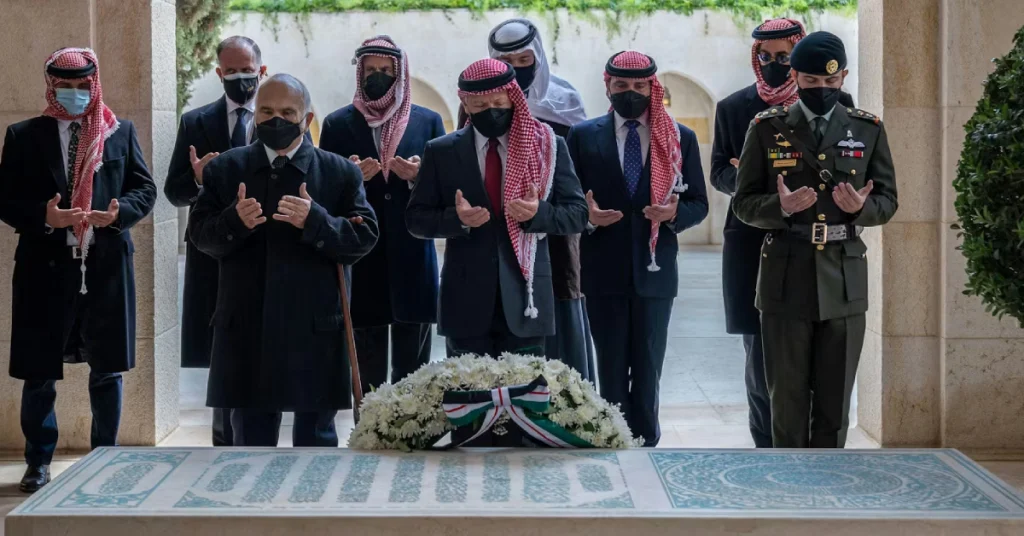
Authority rests on tribal legitimacy, hereditary succession, consensus within ruling councils, and public trust. Crown Princes are prepared through roles in defense, governance, and economic portfolios. Advisory bodies and family foundations support decision-making and social impact.
How wealthy are the UAE royal families?
They rank among the world’s wealthiest royal houses, with assets across sovereign wealth funds, energy, logistics, aviation, real estate, and global investments. Exact figures are not officially disclosed; estimates vary by source.Estimated Wealth and Assets (Indicative)
| Family | Estimated Collective Wealth | Key Holdings |
|---|---|---|
| Al Nahyan (Abu Dhabi) | US$300B+ (estimate) | ADIA; Mubadala; energy sector |
| Al Maktoum (Dubai) | US$100B+ (estimate) | Emirates Group; DP World; real estate |
| Al Qasimi (Sharjah/Ras Al Khaimah) | US$1-5B (estimate) | Ports; industry; cultural assets |
| Al Nuaimi; Al Sharqi; Al Mualla | < US$1B each (estimate) | Local investments: real estate |
Philanthropy is central to their legacy, including major education, health, culture, and humanitarian initiatives.
Read More: UAE Royal Family Net Worth and Hidden Wealth of the Emirates
What are the key achievements by the emirate?
Signature Contributions by Emirate
| Emirate | Signature Contribution | Example Initiative |
|---|---|---|
| Abu Dhabi | Global diplomacy; sustainable energy | Masdar City; Louvre Abu Dhabi |
| Dubai | Innovation; global branding | Expo 2020; Emirates Airline |
| Sharjah | Cultural preservation | Sharjah Book Fair; heritage museums |
| Ras Al Khaimah | Industrial growth; education | RAK Free Zone |
| Ajman | Community development | Ajman Digital Government |
| Fujairah | Port infrastructure; trade | Fujairah Port expansion |
| Umm Al Quwain | Eco-tourism; heritage | Marine research; wetlands conservation |
What is the role of women and princesses in the UAE royal families?

Female royals lead in education, health, philanthropy, and culture. Notable figures include Sheikha Fatima bint Mubarak (women’s empowerment), Sheikha Latifa bint Mohammed Al Maktoum (Dubai Culture), and Sheikha Jawaher bint Mohammed Al Qasimi (humanitarian advocacy).
What does the future of UAE royal leadership look like?

The next generation blends continuity with innovation. Younger royals are globally educated and active in technology, sustainability, and diplomacy—such as Sheikh Khaled bin Mohamed Al Nahyan (Abu Dhabi) and Sheikh Hamdan bin Mohammed Al Maktoum (Dubai).
Summary
The UAE’s royal families are architects of national unity and progress. Their leadership has guided the federation from unification to global prominence, balancing tradition with modernisation across governance, economy, culture, and humanitarian work.
