
How to Get a Crypto Trading License in the UAE (DMCC & VARA 2026 Guide)
Last updated on January 24th, 2026
Table of Contents
Ever wondered why Dubai has become the world’s new capital for cryptocurrency and Web3 innovation? From bustling free zones like DMCC to the globally recognized Virtual Assets Regulatory Authority (VARA), the UAE has built a regulatory system that welcomes crypto entrepreneurs, investors, and innovators.
Article you May like to Read: Aeronautical Engineer Salary in UAE
If you’re planning to start a crypto trading or blockchain business in Dubai, getting a crypto license is the first and most crucial step. This guide answers every key question — what a crypto license is, which type suits your business, how to apply, how much it costs, and why the UAE is leading the digital finance revolution
What Is a Crypto Trading License in the UAE?

A Crypto Trading License legally allows a company to buy, sell, or exchange virtual assets like Bitcoin, Ethereum, or stablecoins within the UAE’s regulatory framework.
The license ensures compliance with local laws, protects investors, and establishes credibility for your business. Depending on your business model, this license may be issued under:
- DMCC (Dubai Multi Commodities Centre): ideal for startups, traders, and Web3 ventures.
- VARA (Virtual Assets Regulatory Authority): ideal for large-scale exchanges, custodians, and broker-dealers.
Each authority has its own rules, share capital requirements, and activity categories — but both offer a business-friendly, low-tax environment.
Why Choose Dubai or the UAE for Your Crypto Business?

Dubai’s reputation as a global fintech hub is no coincidence. The government’s proactive stance toward blockchain and virtual assets makes it one of the few jurisdictions worldwide where crypto businesses can operate legally.
Here’s why entrepreneurs are setting up their crypto trading ventures here:
- Crypto-friendly regulation: Clear laws under DMCC and VARA frameworks.
- 0% personal income tax & 9% corporate tax (with exemptions in free zones).
- Full foreign ownership – no local sponsor required.
- Strategic global access – Dubai connects markets representing 65% of global GDP within 8 hours of flight time.
- World-class infrastructure – including cutting-edge offices in Jumeirah Lakes Towers and Uptown Dubai.
Who Regulates Cryptocurrency in Dubai?
1. Virtual Assets Regulatory Authority (VARA)
VARA, founded under Law No. 4 of 2022, is the world’s first independent crypto regulator. It oversees all Virtual Asset Service Providers (VASPs) in Dubai (excluding DIFC).
It issues licenses for eight major crypto activities:
- Advisory Services
- Broker-Dealer Services
- Custody Services
- Exchange Services
- Lending and Borrowing Services
- Management & Investment Services
- Transfer & Settlement Services
- Issuance of Virtual Assets (including stablecoins)
Minimum capital: AED 100,000–1,500,000 depending on activity
Tax rate: 9% corporate (free-zone exemptions apply)
Timeframe: Typically 3–6 months
VARA ensures compliance with AML/KYC, risk management, and reporting requirements, maintaining Dubai’s image as a trusted crypto destination.
2. Dubai Multi Commodities Centre (DMCC)
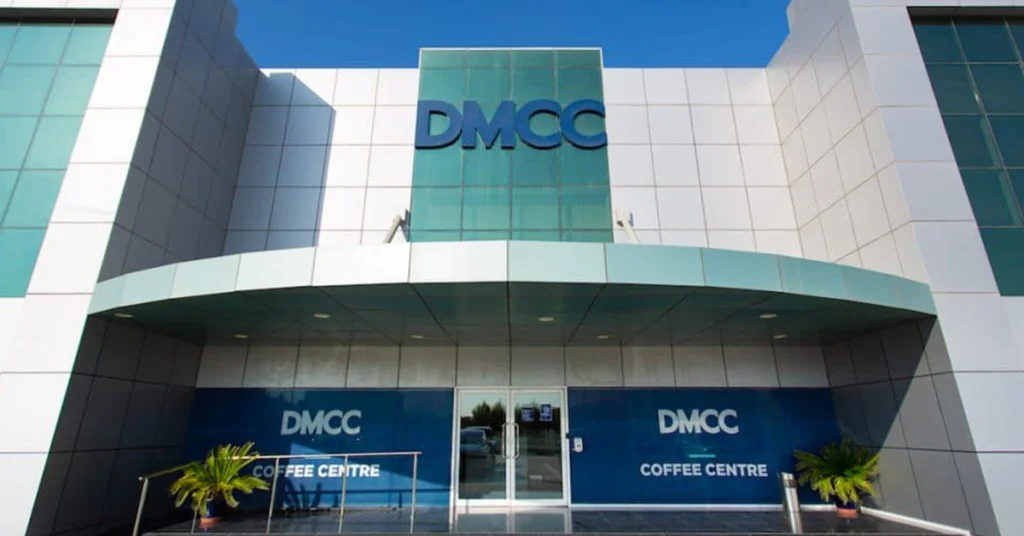
DMCC, named the World’s No. 1 Free Zone by the Financial Times for eight consecutive years, offers specialized crypto licenses through its Crypto Centre in Uptown Tower.
It caters to startups, traders, blockchain developers, and NFT or metaverse businesses.
License categories include:
- Crypto Trading License
- Distributed Ledger Technology License
- NFT Marketplace License
- Metaverse Service License
- Crypto Mining License
Key Benefits:
- 70% discount on first-year license fees
- Access to 650+ crypto firms already registered
- Business setup with 100% ownership and 0% personal tax
- Accelerator programs in partnership with Brinc, TDeFi, CV Labs, and Cointelegraph
- Residency visa eligibility for founders and staff
What Are the Requirements for a Crypto License in Dubai?

Regardless of whether you apply under DMCC or VARA, you’ll generally need:
- Passport copies of shareholders and directors
- Proof of address (utility bills or tenancy contract)
- Business plan outlining operations, compliance, and financial projections
- AML/KYC policy and risk management documents
- No Objection Certificate (NOC) if employed locally
- Office space lease (mandatory physical office for DMCC and VARA)
- Share capital deposit – typically AED 50,000+ for DMCC; AED 100,000–1.5 million for VARA
How to Get a Crypto Trading License in the UAE – Step by Step

Step 1: Define your activity
Choose your area — trading, exchange, NFT marketplace, blockchain development, or metaverse services.
Step 2: Select the jurisdiction
Pick between DMCC, VARA, or other free zones like ADGM, RAK DAO, or IFZA depending on your business scale.
Step 3: Choose a legal structure
Form a Free Zone Establishment (FZE) or Free Zone Company (FZCO) under DMCC, or a Limited Liability Company under VARA.
Step 4: Reserve a trade name
Your company name must comply with UAE naming conventions — avoid religious, political, or offensive terms.
Step 5: Secure office space
DMCC and VARA require a physical office; virtual offices are not accepted.
Step 6: Prepare documentation
Collect and submit your business plan, AML/KYC policies, passport copies, and proof of address.
Step 7: Pay capital and license fees
Expect a starting cost of around USD 20,000–30,000, including application, registration, and license fees.
Step 8: Receive approval and start operations
After evaluation, you’ll receive your crypto license and can begin operations — ensuring ongoing compliance and annual renewals.
DMCC vs VARA – Which Crypto License Is Better?
| Feature | DMCC Crypto License | VARA Crypto License (VASP) |
|---|---|---|
| Regulatory Authority | DMCC Authority | Virtual Assets Regulatory Authority (VARA) |
| Best for | Startups, traders, Web3 ventures | Large exchanges, custodians, broker-dealers |
| Share Capital | AED 50,000 | AED 100,000–1,500,000 |
| Office Requirement | Yes (Free Zone office) | Yes (Dubai mainland/free zone) |
| Setup Time | 2–4 weeks | 3–6 months |
| Tax Rate | 0% corporate/personal | 9% (free-zone exemption possible) |
| VARA Registration | Optional for DMCC firms | Mandatory for all VASPs |
| Visa Eligibility | Yes | Yes |
Verdict: For small to mid-scale businesses, DMCC offers a fast and cost-effective solution. For full-scale crypto exchanges or custodians, VARA provides stronger international credibility.
Cost of Crypto License in the UAE
The cost depends on business type, authority, and the number of shareholders. On average:
| License Type | Estimated Cost (USD) | Authority |
|---|---|---|
| Crypto Trading License | $20,000 – $25,000 | DMCC |
| Exchange / Custody License | $40,000 – $60,000 | VARA |
| NFT / Metaverse License | $15,000 – $20,000 | DMCC / RAK DAO |
| Advisory / Investment License | $25,000 – $35,000 | VARA / ADGM |
These estimates include registration, license fees, and initial capital requirements.
How Consultants Help – DMCC, LegalBison, and Finjuris
Setting up a crypto firm requires both legal and technical precision. Licensed consultants such as Decisive Zone, Finjuris, and LegalBison simplify the process:
- Handling company incorporation and office leasing
- Drafting compliance documents and AML/KYC frameworks
- Coordinating with the VARA or DMCC authorities
- Opening a corporate bank account
- Providing ongoing legal support and renewals
Such services are invaluable for foreign founders unfamiliar with UAE regulatory nuances.
Benefits of a UAE Crypto License
- Legal legitimacy for your crypto operations
- Access to UAE banking channels for virtual asset businesses
- Residency visas for founders and employees
- Participation in global blockchain events and hackathons
- Networking and collaboration with 600+ crypto firms under DMCC
- Easy global scalability through the UAE’s international reputation
Frequently Asked Questions (FAQs)
1. Is cryptocurrency legal in Dubai?
Yes. Virtual asset activities are legal as long as they are licensed under DMCC, VARA, or ADGM frameworks.
2. Can individuals trade crypto without a license?
Individuals can trade their own portfolios, but providing crypto services to others requires a valid business license.
3. How long does it take to get a crypto license?
DMCC licenses can be issued in 2–4 weeks, while VARA approvals may take 3–6 months, depending on activity type.
4. Do I need to be in Dubai to apply?
Yes, a physical presence (office) and a local representative are required. However, consultants can manage most of the process remotely until final verification.
5. Which is the best free zone for crypto business in 2026?
DMCC remains the most popular, followed by ADGM and RAK DAO. For large exchanges, VARA is the gold standard.
Conclusion
Getting a Crypto Trading License in Dubai or the UAE is more than a formality — it’s your passport into one of the world’s most advanced and trusted digital economies.
Whether you choose DMCC’s innovation-driven free zone or VARA’s globally recognized regulatory regime, the UAE offers unmatched benefits — tax efficiency, transparency, and world-class infrastructure.
As blockchain, DeFi, and Web3 redefine global finance, setting up your crypto business in Dubai ensures you’re part of the next digital revolution — not watching it from the sidelines.
